Buy fiduciaire.eu ?
We are moving the project
fiduciaire.eu .
Are you interested in purchasing the domain
fiduciaire.eu ?
domain@kv-gmbh.de · 0541-91531010
Buy fiduciaire.eu ?
What happens in the small intestine?
The small intestine is where most of the digestion and absorption of nutrients from food takes place. Enzymes from the pancreas and bile from the liver help break down food into smaller molecules that can be absorbed by the intestinal lining. Villi and microvilli in the small intestine increase the surface area for absorption, allowing nutrients like carbohydrates, proteins, fats, vitamins, and minerals to be taken up into the bloodstream and transported to cells throughout the body. Any remaining undigested food then moves on to the large intestine for further processing. **
What is the small intestine in horses?
The small intestine in horses is a long, coiled tube that is a crucial part of the digestive system. It is responsible for the majority of nutrient absorption, including proteins, carbohydrates, and fats. The small intestine is where the majority of the digestive process takes place, as it is where enzymes and other digestive juices break down food into smaller molecules that can be absorbed into the bloodstream. It is a vital organ for the overall health and well-being of the horse. **

Similar search terms for Small intestine
Top-Angebote
Products related to Small intestine:
-
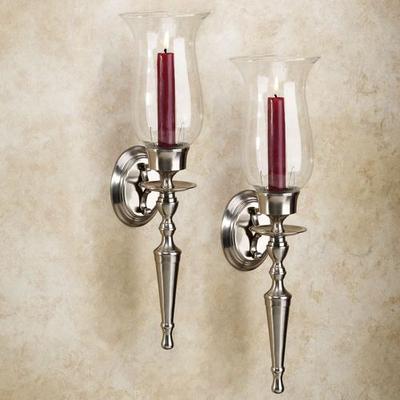
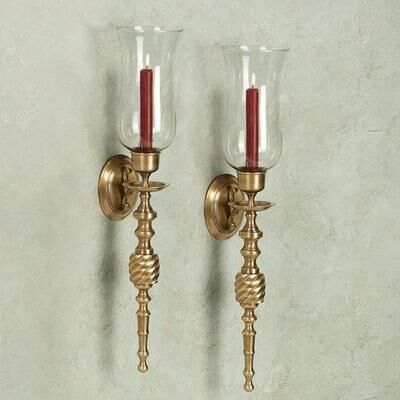
Flythe Consulting Jonetia Hurricane Wall Sconce Pair Satin Brass, Pair, Satin BrassThe Jonetia Satin Brass Hurricane Wall Sconce Pair proudly displays grandeur on your walls. These hand-forged, solid brass sconces feature a diamond design and fleur-de-lis motif. Sconces have a lacquered, satin brass finish that is done by hand. A...229,00 $*Shipping: 32,06 $Secure redirect to the provider
-
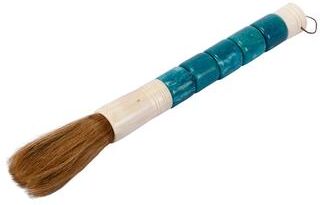
"Artissance 15"" Small Jewelry Blue Jade Calligraphy Small"Originally used for painting calligraphy, now is a sign of peace, elegant and knowledgeable. Since the prehistoric time, Jade was regarded as a gemstone of nobility, power, and royalty most particularly in the East.66,70 $*Shipping: 0,00 $Secure redirect to the provider
-
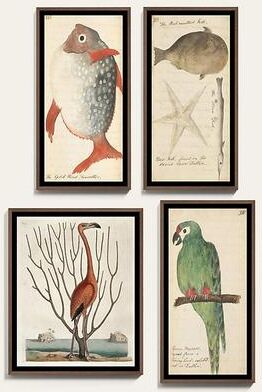
Naturalists Companion Art - Small Horned Owl, Small - Ballard DesignsThese charming watercolors first appeared in the 19th century Naturalists Companion by Kenelm Henry Digby. The scripted manuscript included 300 illustrations by Digby of animals, fish, and insects that he faithfully painted from live examples or...295,20 $*Shipping: 179,00 $Secure redirect to the provider
-
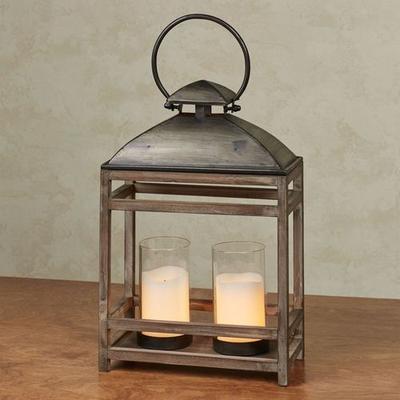
Touch of Class Blaine Candleholder Lantern Gray Small, Small, GrayThe Blaine Candleholder Lantern illuminates any area with modern style. This wooden candleholder lantern is dark gray with a metal top and ring finished in aged silver. Two 3.25 dia.x6 H clear glass hurricanes rest in the open center and will hold...47,99 $*Shipping: 13,95 $Secure redirect to the provider

-
Where does the name small intestine come from?
The name "small intestine" comes from its relatively smaller diameter compared to the large intestine. The small intestine is actually longer than the large intestine, but it was named based on its narrower diameter. It is the part of the digestive system where most of the digestion and absorption of nutrients takes place. **
-
What happens during absorption in the small intestine?
During absorption in the small intestine, the nutrients from the digested food are absorbed into the bloodstream. The inner surface of the small intestine is lined with millions of tiny, finger-like projections called villi, which increase the surface area for absorption. Nutrients such as carbohydrates, proteins, fats, vitamins, and minerals are absorbed through the walls of the small intestine and then transported to the rest of the body through the bloodstream. This process is essential for providing the body with the necessary nutrients for energy, growth, and overall functioning. **
-
How long is the small intestine of an adult?
The small intestine of an adult is typically around 20 feet long. It is divided into three sections: the duodenum, the jejunum, and the ileum. The small intestine is where most of the digestion and absorption of nutrients from food takes place. Its long length allows for a large surface area for nutrient absorption to occur. **
-
Why doesn't pepsin attack the proteins in the small intestine?
Pepsin is an enzyme that is specifically designed to function in the acidic environment of the stomach. Once the partially digested food leaves the stomach and enters the small intestine, the pH becomes more neutral, which is not an optimal environment for pepsin to function effectively. Additionally, the small intestine contains other enzymes like trypsin and chymotrypsin that are responsible for further breaking down proteins into smaller peptides and amino acids. **

Can pepsin also act as an enzyme in the small intestine?
No, pepsin cannot act as an enzyme in the small intestine. Pepsin is an enzyme that is produced in the stomach and is responsible for breaking down proteins into smaller peptides. Once the food moves from the stomach to the small intestine, the acidic environment of the stomach is neutralized, and pepsin becomes inactive. In the small intestine, other enzymes such as trypsin, chymotrypsin, and peptidases take over the role of breaking down proteins into amino acids for absorption. **
In which intestine is liverwurst made, in the gold intestine or in the natural intestine?
Liverwurst is typically made in the natural intestine. The natural intestine, also known as the casing, is the traditional method for shaping and cooking liverwurst. It is made from the cleaned and processed intestines of animals, such as pigs or sheep, and is used to encase the liverwurst mixture before it is cooked. The gold intestine, on the other hand, is a synthetic casing that is sometimes used in modern food production processes. **
Top-Angebote
Products related to Small intestine:
-
Flythe Consulting Arika Wall Sconce Pair, Pair, Satin NickelThe Arika Wall Sconce Pair is an adaptation of old-fashioned light fixtures, with an appealing design that will complement modern decor. The lacquered solid brass sconces have 4.75 dia.x7 H clear glass hurricanes that will protect your standard...179,00 $*Shipping: 22,95 $Secure redirect to the provider
-
Flythe Consulting Jonetia Hurricane Wall Sconce Pair Satin Brass, Pair, Satin BrassThe Jonetia Satin Brass Hurricane Wall Sconce Pair proudly displays grandeur on your walls. These hand-forged, solid brass sconces feature a diamond design and fleur-de-lis motif. Sconces have a lacquered, satin brass finish that is done by hand. A...229,00 $*Shipping: 32,06 $Secure redirect to the provider
-
"Artissance 15"" Small Jewelry Blue Jade Calligraphy Small"Originally used for painting calligraphy, now is a sign of peace, elegant and knowledgeable. Since the prehistoric time, Jade was regarded as a gemstone of nobility, power, and royalty most particularly in the East.66,70 $*Shipping: 0,00 $Secure redirect to the provider
-
What happens in the small intestine?
The small intestine is where most of the digestion and absorption of nutrients from food takes place. Enzymes from the pancreas and bile from the liver help break down food into smaller molecules that can be absorbed by the intestinal lining. Villi and microvilli in the small intestine increase the surface area for absorption, allowing nutrients like carbohydrates, proteins, fats, vitamins, and minerals to be taken up into the bloodstream and transported to cells throughout the body. Any remaining undigested food then moves on to the large intestine for further processing. **
-
What is the small intestine in horses?
The small intestine in horses is a long, coiled tube that is a crucial part of the digestive system. It is responsible for the majority of nutrient absorption, including proteins, carbohydrates, and fats. The small intestine is where the majority of the digestive process takes place, as it is where enzymes and other digestive juices break down food into smaller molecules that can be absorbed into the bloodstream. It is a vital organ for the overall health and well-being of the horse. **
-
Where does the name small intestine come from?
The name "small intestine" comes from its relatively smaller diameter compared to the large intestine. The small intestine is actually longer than the large intestine, but it was named based on its narrower diameter. It is the part of the digestive system where most of the digestion and absorption of nutrients takes place. **
-
What happens during absorption in the small intestine?
During absorption in the small intestine, the nutrients from the digested food are absorbed into the bloodstream. The inner surface of the small intestine is lined with millions of tiny, finger-like projections called villi, which increase the surface area for absorption. Nutrients such as carbohydrates, proteins, fats, vitamins, and minerals are absorbed through the walls of the small intestine and then transported to the rest of the body through the bloodstream. This process is essential for providing the body with the necessary nutrients for energy, growth, and overall functioning. **
Similar search terms for Small intestine
-
Naturalists Companion Art - Small Horned Owl, Small - Ballard DesignsThese charming watercolors first appeared in the 19th century Naturalists Companion by Kenelm Henry Digby. The scripted manuscript included 300 illustrations by Digby of animals, fish, and insects that he faithfully painted from live examples or...295,20 $*Shipping: 179,00 $Secure redirect to the provider
-
Touch of Class Blaine Candleholder Lantern Gray Small, Small, GrayThe Blaine Candleholder Lantern illuminates any area with modern style. This wooden candleholder lantern is dark gray with a metal top and ring finished in aged silver. Two 3.25 dia.x6 H clear glass hurricanes rest in the open center and will hold...47,99 $*Shipping: 13,95 $Secure redirect to the provider
-
Touch of Class Sabelle Small Drapery Accent Set Small Set of 3, Small Set of 3, Antique BronzeArrange your draped window scarves with ease using the Sabelle Drapery Hardware Set. Attractive window treatment accessories are handcrafted of metal and handpainted. Set includes one topper, featuring scrolls and a fleur-de-lis; along with two...109,00 $*Shipping: 0,00 $Secure redirect to the provider
-
How long is the small intestine of an adult?
The small intestine of an adult is typically around 20 feet long. It is divided into three sections: the duodenum, the jejunum, and the ileum. The small intestine is where most of the digestion and absorption of nutrients from food takes place. Its long length allows for a large surface area for nutrient absorption to occur. **
-
Why doesn't pepsin attack the proteins in the small intestine?
Pepsin is an enzyme that is specifically designed to function in the acidic environment of the stomach. Once the partially digested food leaves the stomach and enters the small intestine, the pH becomes more neutral, which is not an optimal environment for pepsin to function effectively. Additionally, the small intestine contains other enzymes like trypsin and chymotrypsin that are responsible for further breaking down proteins into smaller peptides and amino acids. **
-
Can pepsin also act as an enzyme in the small intestine?
No, pepsin cannot act as an enzyme in the small intestine. Pepsin is an enzyme that is produced in the stomach and is responsible for breaking down proteins into smaller peptides. Once the food moves from the stomach to the small intestine, the acidic environment of the stomach is neutralized, and pepsin becomes inactive. In the small intestine, other enzymes such as trypsin, chymotrypsin, and peptidases take over the role of breaking down proteins into amino acids for absorption. **
-
In which intestine is liverwurst made, in the gold intestine or in the natural intestine?
Liverwurst is typically made in the natural intestine. The natural intestine, also known as the casing, is the traditional method for shaping and cooking liverwurst. It is made from the cleaned and processed intestines of animals, such as pigs or sheep, and is used to encase the liverwurst mixture before it is cooked. The gold intestine, on the other hand, is a synthetic casing that is sometimes used in modern food production processes. **
* All prices are inclusive of VAT and, if applicable, plus shipping costs. The offer information is based on the details provided by the respective shop and is updated through automated processes. Real-time updates do not occur, so deviations can occur in individual cases. ** Note: Parts of this content were created by AI.